
Choosing the Right Bath Salts for Your Skin
Bath salts have become a popular addition to self-care routines, offering a range of benefits for both the body and mind. With so many options available, it can be overwhelming to choose the right bath salts for your skin. This guide will help you navigate the world of bath salts, ensuring you select the best option for your needs.
Understanding Bath Salts
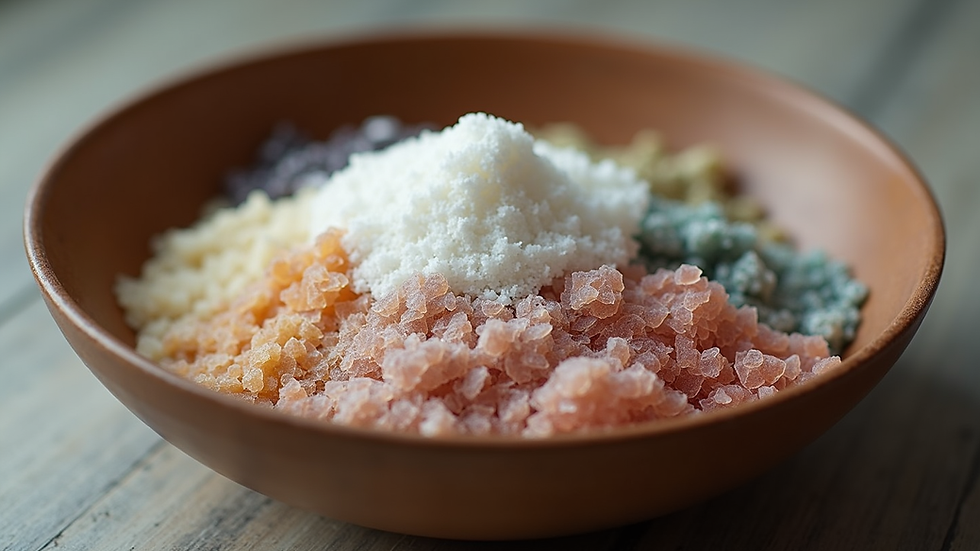
Bath salts are water-soluble minerals that are added to bathwater to enhance the bathing experience. They can provide various benefits, including relaxation, skin nourishment, and muscle relief. The primary ingredients in bath salts often include:
Epsom salt: Known for its muscle-relaxing properties.
Sea salt: Rich in minerals that can help hydrate and exfoliate the skin.
Himalayan salt: Contains trace minerals that may benefit skin health.
Essential oils: Added for fragrance and therapeutic properties.
Each type of salt has unique properties, making it essential to understand what you are looking for in your bath experience.
Benefits of Bath Salts
Bath salts offer numerous benefits, including:
Relaxation: Soaking in a warm bath with salts can help reduce stress and promote relaxation.
Skin health: Certain salts can help exfoliate and hydrate the skin, leaving it feeling soft and smooth.
Muscle relief: Epsom salt, in particular, is known for its ability to ease muscle tension and soreness.
Detoxification: Bath salts can help draw out impurities from the skin, promoting a clearer complexion.
Choosing the Right Bath Salts for Your Skin Type
When selecting bath salts, consider your skin type and any specific concerns you may have. Here’s a breakdown of different skin types and the best bath salts for each:
Dry Skin
If you have dry skin, look for bath salts that contain moisturizing ingredients.
Recommended salts: Sea salt and Himalayan salt.
Additives: Consider adding essential oils like lavender or coconut oil to enhance hydration.
Oily Skin
For those with oily skin, choose bath salts that help balance oil production.
Recommended salts: Epsom salt and Dead Sea salt.
Additives: Essential oils like tea tree or lemon can help control oiliness.
Sensitive Skin
If you have sensitive skin, it’s crucial to choose gentle bath salts that won’t irritate.
Recommended salts: Himalayan salt and magnesium sulfate.
Additives: Opt for calming essential oils like chamomile or calendula.
Combination Skin
For combination skin, a balanced approach works best.
Recommended salts: A mix of sea salt and Epsom salt.
Additives: Use essential oils that cater to both oily and dry areas, such as geranium.
How to Use Bath Salts
Using bath salts is simple, but there are a few tips to maximize their benefits:
Measure the right amount: Typically, 1 to 2 cups of bath salts are sufficient for a standard-sized bathtub.
Dissolve before entering: Add the salts to warm running water and allow them to dissolve completely before soaking.
Soak for 15-30 minutes: This allows your skin to absorb the minerals effectively.
Rinse off: After soaking, rinse your body with fresh water to remove any residue.
Popular Bath Salt Recipes
Creating your own bath salt blends can be a fun and rewarding experience. Here are a couple of recipes to try:
Relaxing Lavender Bath Salts
Ingredients:
1 cup Epsom salt
1 cup sea salt
10-15 drops of lavender essential oil
Instructions:
Mix the Epsom salt and sea salt in a bowl.
Add the lavender essential oil and stir until evenly distributed.
Store in an airtight container.
Refreshing Citrus Bath Salts
Ingredients:
1 cup Himalayan salt
1 cup baking soda
10-15 drops of lemon essential oil
Instructions:
Combine Himalayan salt and baking soda in a bowl.
Add the lemon essential oil and mix well.
Store in an airtight container.
Safety Considerations
While bath salts are generally safe for most people, there are a few precautions to keep in mind:
Allergies: Always check the ingredient list for potential allergens, especially if you have sensitive skin.
Skin conditions: If you have any skin conditions, consult with a dermatologist before using bath salts.
Pregnancy: Some essential oils may not be safe during pregnancy. Always consult your healthcare provider.
Conclusion
Choosing the right bath salts for your skin can enhance your bathing experience and provide numerous benefits. By understanding your skin type and the properties of different salts, you can create a personalized self-care routine that promotes relaxation and skin health. Remember to experiment with different blends and find what works best for you. Happy soaking!


Comments